Sewer Backup Cleaning in Jacksonville — What to Do Before It Gets Worse
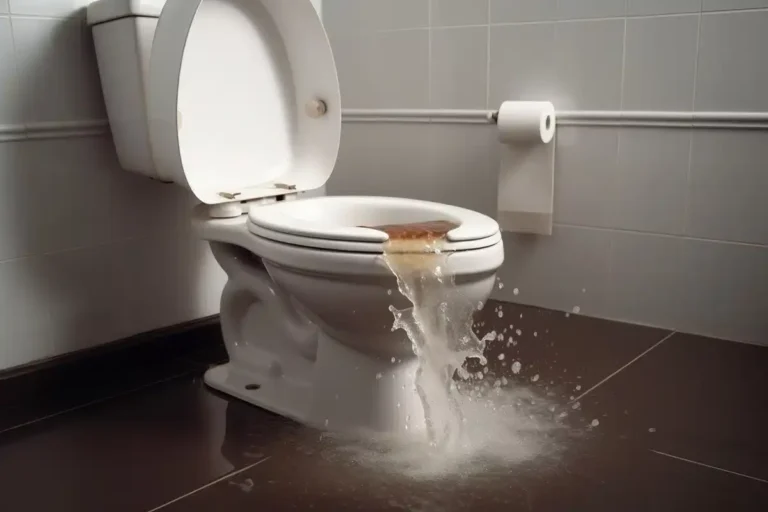
The moment sewage starts pushing back up through your drains, toilets, or floor fixtures, the clock is ticking. Every hour you wait increases the damage to your flooring, walls, and the air quality inside your home. Jacksonville homeowners who’ve dealt with this before know: fast action makes all the difference.
This guide walks you through exactly what to do when you want Sewer Backup Cleaning in Jacksonville, a sewer backup hits, what’s likely causing it, and when you need an Affordable Plumber in Jacksonville on-site right now versus when you have a little more time to work with.
Schedule Your Plumbing Service Today!
What a Sewer Backup Actually Is
Your home’s plumbing works as one connected system. Every drain, kitchen sink, bathroom sink, shower, toilet, eventually feeds into a single main sewer line that carries waste out to the city’s municipal sewer system.
When something blocks that main line, waste has nowhere to go. So it comes back.
That’s a sewer backup. And it doesn’t come back clean.
Sewage contains bacteria, viruses, and pathogens that are genuinely hazardous to your health. This isn’t just an unpleasant inconvenience; it’s a health emergency if left unaddressed. In Jacksonville’s heat and humidity, contamination spreads faster than you’d expect.
Warning Signs You Have a Sewer Backup (Not Just a Clogged Drain)
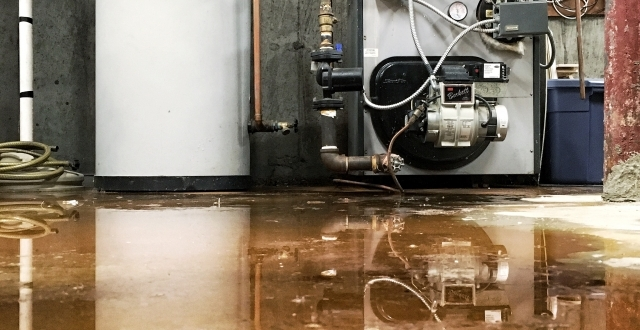
A single slow drain usually means a local clog. A sewer backup looks different. Watch for these:
Multiple drains are slow or backed up at the same time. If the kitchen sink, bathroom sink, and shower are all draining slowly on the same day, that’s a main line issue.
Toilets gurgle when you run water elsewhere. Flush the toilet and hear bubbling from the shower drain? Air is trapped in the system, which means flow is blocked somewhere down the line.
Water is backing up into the tub or shower when you flush the toilet. This is the clearest sign of a main sewer blockage. The waste is finding the lowest exit point, which can usually be a ground-floor tub.
Sewage smell inside the house. Not just near the drain, throughout rooms. That smell is sewer gas escaping through drain gaps, and it contains harmful compounds, including hydrogen sulfide.
Wet or raised spots in the yard above the sewer line. If sewage is escaping underground before it even reaches your drains, you may see soft, soggy soil or unusually green grass directly above where your sewer line runs.
If you’re seeing two or more of these at once, stop using water in your home and Call An Emergency Plumber in Jacksonville immediately.
What to Do Right Now — Step by Step
Step 1: Stop Using All Water in the House
Every time you flush a toilet, run the tap, or use the washing machine, you’re pushing more water into a system that’s already blocked. That accelerates the backup and increases the volume of sewage that may surface inside your home.
Turn off the water. Tell everyone in the house.
Step 2: Don’t Try to Plunge a Backed-Up Sewer Line
This is a common mistake. Plunging a toilet when the main sewer line is blocked doesn’t clear the blockage; it just forces sewage up through other drains in the house. You’ll make it worse.
Leave the fixtures alone.
Step 3: Protect Yourself Before Going Near the Affected Area
If sewage has surfaced on the floor, in a tub, anywhere, don’t walk through it without rubber boots. Don’t touch it with your bare hands. If you have gloves and can open windows to ventilate the space, do that. Sewer gas and raw sewage exposure can cause nausea, respiratory issues, and infection.
Keep children and pets completely out of the affected area.
Step 4: Document Everything for Your Insurance Claim
Before any cleanup begins, take photos and video of all affected areas. Sewer backups are covered under many homeowner insurance policies, but only if you can prove the extent of the damage before remediation. A few minutes of documentation can save you thousands of dollars.
Step 5: Call a Licensed Jacksonville Plumber
This is not a DIY situation. A sewer backup requires a professional camera inspection to locate the blockage, the right equipment to clear it, and proper sewage cleanup to ensure your home is safe afterward.
Our team provides emergency plumbing services in Jacksonville 24 hours a day, including weekends. We locate the blockage, clear the line, and confirm the system is fully functional before we leave.
Schedule Your Plumbing Service Today!
What Causes Sewer Backups in Jacksonville Homes?
Understanding the cause matters because it determines the right fix. The most common causes our Jacksonville plumbers find:
Tree Root Intrusion
This is the leading cause in older Jacksonville neighborhoods. Mature oak trees, magnolias, and palms send roots dozens of feet in search of moisture. Clay and cast iron sewer pipes, common in homes built before the 1980s, are especially vulnerable. Roots find the smallest joint or crack and grow inside the pipe until the flow is completely blocked.
Neighborhoods like Riverside, Springfield, Avondale, and Murray Hill deal with this more than most. If your home is older and surrounded by mature trees, root intrusion should be your first suspect.
Flushing the Wrong Things
Wet wipes, paper towels, feminine hygiene products, and cotton balls do not break down in water the way toilet paper does. “Flushable” wipes are one of the biggest contributors to sewer blockages, despite what the label says. They clump together and catch on any pipe imperfection until the line is fully blocked.
Grease Buildup Over Time
Cooking grease poured down the kitchen sink cools and solidifies inside the pipe. Over months and years, it layers up, narrowing the pipe’s interior until eventually nothing gets through. This is more gradual than root intrusion but just as effective at causing a full backup.
Collapsed or Damaged Sewer Line
Older pipes crack, sag, or collapse entirely, especially in Jacksonville’s sandy soil, which shifts over time. A partially collapsed section creates a low point where waste collects and piles up. No amount of snaking fixes a collapsed line; it needs to be repaired or replaced.
Municipal Sewer System Issues
Occasionally, the backup isn’t coming from your pipes at all; it’s the city’s main sewer line that’s overwhelmed or blocked. Heavy rainfall in Jacksonville can overwhelm the municipal system and push sewage backward into homes through the lowest fixtures. If your neighbors are experiencing the same problem simultaneously, this is likely the cause. Contact JEA (Jacksonville Electric Authority) to report it.
Sewer Backup Cleaning in Jacksonville — What the Process Looks Like
When a Jacksonville plumber arrives for a sewer backup, here’s what actually happens:
Camera Inspection First: A waterproof camera is fed into your sewer line to see exactly what’s happening and where. This takes the guesswork out completely. The plumber can see whether it’s a root intrusion, a grease clog, a pipe collapse, or a foreign object before any work begins.
Hydro Jetting to Clear the Line. For most blockages, such as roots, grease, and buildup, hydro jetting is the most effective solution. High-pressure water (up to 4,000 PSI) blasts through the obstruction and scours the pipe walls clean. It doesn’t just push the clog further down; it eliminates it.
Sewage Cleanup and Sanitation If sewage has surfaced inside the home, the affected area needs professional-grade disinfection. This isn’t something a mop handles. Porous surfaces, such as grout, drywall, and wood flooring, absorb contamination and require proper treatment to be safe.
Final Camera Check After clearing the line, a second camera pass confirms the pipe is fully clear and identifies any structural issues that may need future attention.
How Jacksonville’s Climate Makes This Worse
This is worth saying plainly: Jacksonville is harder on sewer systems than most cities.
The combination of heat, humidity, sandy shifting soil, and an abundance of large trees creates conditions where pipes age faster, roots grow more aggressively, and any backup spreads contamination more rapidly than it would in a drier climate.
Homes built before 1985 are particularly at risk. Original clay or cast iron pipes in those homes were designed for a lifespan of 50–60 years. Many are at or past that point, running under yards full of mature root systems.
If you’re in Riverside, San Marco, Ortega, Springfield, or any older Jacksonville neighborhood and you’ve had even one backup, it’s worth scheduling a camera inspection just to see what your pipes look like. Prevention is far cheaper than an emergency.
Can You Clean Up a Sewer Backup Yourself?
For very minor backups, a small amount of sewage that surfaced briefly and has already drained, light cleanup may be manageable with protective gear, proper disinfectants, and disposal of any contaminated porous materials.
But for anything significant, sewage on the floor, in multiple rooms, or soaked into carpet or wood, professional cleanup is the right call. The health risk isn’t worth cutting corners on.
Also worth noting: many homeowner insurance claims for sewer backups require documentation of professional cleanup to be honored. Doing it yourself may cost you your claim.
When It’s a Full Emergency — Recognize These Fast
Call an emergency plumber in Jacksonville immediately if:
- Raw sewage is actively surfacing inside your home
- The sewage smell is strong throughout the house, not just near drains
- Water is rising in a floor drain, tub, or toilet without being flushed
- You have young children, elderly family members, or anyone with a compromised immune system in the home
These situations don’t improve on their own. The longer sewage sits, the deeper the contamination goes, and the more expensive the remediation becomes.
Our team responds to Sewer Backup Cleaning in Jacksonville day and night. You won’t get an answering machine.
Preventing the Next Sewer Backup
Once the immediate crisis is handled, a few habits can significantly reduce your risk of a repeat:
Never pour grease down the drain. Let it cool and dispose of it in the trash.
Only flush toilet paper. No wipes, no paper towels, no cotton products, regardless of what the packaging says.
Schedule a sewer line inspection every 2–3 years if your home is older than 30 years, especially if you have large trees nearby.
Install a backwater prevention valve. This one-way valve allows sewage to flow out of your home but prevents it from flowing back in. It’s one of the most cost-effective protections available for Jacksonville homes in flood-prone or low-lying areas. Ask your plumber about it.
The Bottom Line
A sewer backup is one of the most stressful plumbing emergencies a homeowner can face, but fast, correct action limits the damage significantly.
Stop water use. Stay out of contaminated areas. Document the damage. And call a licensed Jacksonville plumber who can locate the problem, clear the line, and get your home back to normal.
Don’t wait on this one; every hour matters.
Jacksonville Plumbing Master is available 24/7 for sewer backup emergencies across Jacksonville, FL, including Riverside, Mandarin, Arlington, Southside, San Marco, Orange Park, and Jacksonville Beach.
Schedule Your Plumbing Service Today!
Frequently Asked Questions
Can I clean a sewer backup myself?
Minor cases may be manageable, but most require professional cleaning and sanitation.
How long does it take to fix a sewer backup?
Most sewer line blockages are cleared within 2–4 hours using hydro jetting and camera inspection. If the pipe is collapsed or severely damaged, repair or replacement takes longer.
What causes sewer backups in Jacksonville?
Common causes include tree roots, clogged pipes, and damaged sewer lines.
How quickly should I act?
Immediately. Delaying can lead to severe property damage and health hazards.