
How Often Should You Flush a Water Heater in Jacksonville?
Your water heater works quietly in the background every day, providing hot water for showers, laundry, cleaning, and other household needs. Because it is usually tucked away in a garage, utility room, or closet, many homeowners do not think about maintenance until they notice a problem.
For many traditional tank water heaters, flushing the system about once a year is a common maintenance guideline. However, the right schedule depends on several factors, including the type of water heater, household hot water usage, the age of the unit, and the manufacturer’s recommendations.
Schedule Your Plumbing Service Today!
For Jacksonville homeowners, routine water heater maintenance can help identify early warning signs before they turn into unexpected plumbing problems. Changes such as unusual noises, slower heating, reduced hot water availability, or visible leaks may indicate that your system needs attention.
In this guide, we’ll explain how often you should flush a water heater in Jacksonville, why maintenance matters, what signs to watch for, and when professional water heater service may be the right choice.
For homeowners experiencing a lack of hot water, you can also read our guide on Why Water Heater Not Producing Hot Water? to understand common causes and next steps.
How Often Should You Flush a Water Heater in Jacksonville?
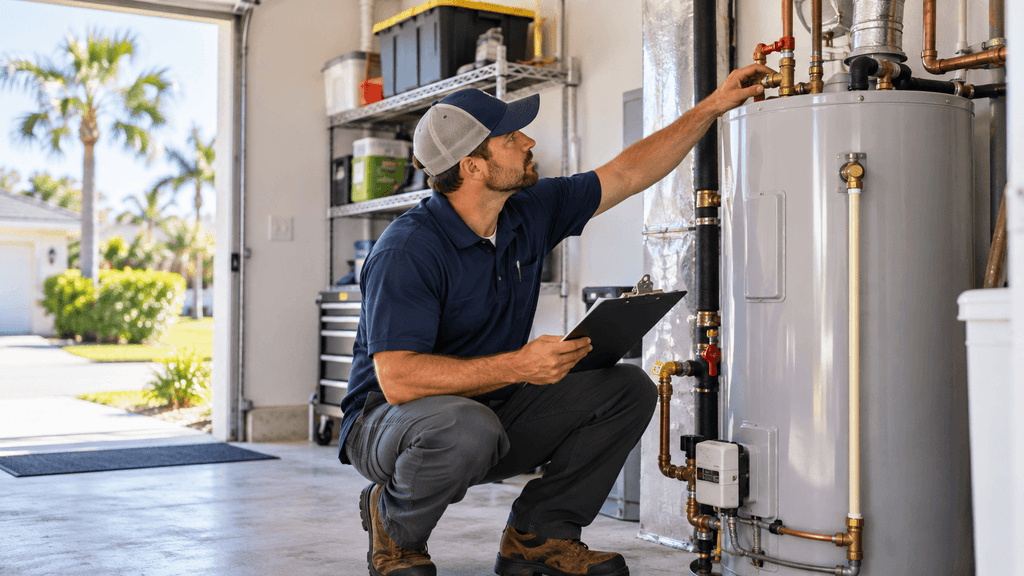
For many traditional tank water heaters, flushing the system about once a year is a common maintenance guideline. However, there is no single schedule that works for every home. The right timing depends on factors such as your water heater type, household hot water usage, the age of the unit, and the manufacturer’s maintenance recommendations.
Jacksonville homeowners often rely on their water heaters every day, which means regular maintenance can help identify changes in performance before they become larger problems. A water heater that is not maintained may develop issues such as reduced hot water availability, unusual sounds, or slower heating over time.
Flushing a water heater is mainly intended to help remove sediment that can collect at the bottom of traditional storage tanks. Keeping an eye on your system’s performance and following the manufacturer’s recommended maintenance schedule can help you determine when attention may be needed.
If you notice changes such as:
- Popping or rumbling sounds coming from the tank
- Hot water running out faster than usual
- Longer heating times
- Visible leaks around the unit
It may be a sign that your water heater needs inspection or maintenance.
What Factors Affect How Often a Water Heater Needs Flushing?
The ideal flushing schedule depends on the condition of your water heater and how it is used. Some systems may need more frequent maintenance, while others may require less attention.
Here are some factors that can influence how often your water heater should be flushed:
| Factor | How It Can Affect Maintenance |
|---|---|
| Household hot water usage | Homes with higher hot water demand may require closer monitoring because the system works more frequently. |
| Age of the water heater | Older units may need more frequent inspections to identify wear, sediment buildup, or other performance concerns. |
| Type of water heater | Traditional tank water heaters and tankless systems have different maintenance needs. |
| Manufacturer recommendations | Following the maintenance guidance for your specific model helps ensure proper care. |
| Changes in performance | Reduced hot water, unusual noises, or slower recovery times may indicate the system needs attention. |
For Jacksonville homeowners, the best approach is not simply following a calendar date. Pay attention to how your water heater is performing and address warning signs early.
Regular maintenance can help you understand the condition of your system and determine when professional water heater service may be appropriate.
Why Water Heater Maintenance Matters for Jacksonville Homes
A water heater is one of the most frequently used appliances in a home, but it is also one of the easiest systems to overlook. Since most units operate quietly in the background, small changes in performance can go unnoticed until they begin affecting your daily routine.
For Jacksonville homeowners, routine water heater maintenance provides an opportunity to identify potential issues before they become larger plumbing problems. Regular checks can help you notice changes such as unusual sounds, inconsistent water temperatures, reduced hot water availability, or visible signs of wear around the unit.
Maintenance is not only about flushing the tank. A complete approach includes paying attention to the overall condition of the system, including:
- Checking for leaks or moisture around the water heater
- Monitoring changes in hot water performance
- Looking for corrosion or damaged connections
- Following the manufacturer’s recommended maintenance guidelines
Taking care of your water heater does not guarantee that problems will never occur, but it can help homeowners better understand the condition of their system and recognize when professional attention may be needed.
What Happens When Sediment Builds Up Inside a Water Heater?
Traditional tank water heaters store and heat a large amount of water inside the tank. Over time, minerals and small particles can settle at the bottom of the tank and create a layer of sediment.
As sediment accumulates, it can affect how the water heater operates. The heating element or burner may need to work through this buildup to heat the water effectively, which can impact performance.
Common effects of sediment buildup include:
Reduced Heating Performance
A layer of sediment at the bottom of the tank can reduce the available space for hot water and may make the system work harder to maintain the desired temperature.
Homeowners may notice:
- Longer wait times for hot water
- Reduced hot water availability
- Slower recovery after heavy usage
Unusual Noises From the Tank
Popping, cracking, or rumbling sounds are common signs homeowners associate with sediment buildup.
These noises can occur when water moves around sediment deposits during the heating process. If unusual sounds continue, it may be worth having the system inspected.
Increased Wear on the System
When a water heater has ongoing sediment buildup, components may experience additional stress over time.
Possible signs include:
- Changes in water temperature
- Reduced system performance
- More frequent maintenance needs
Sediment buildup is one reason routine water heater care matters. If your water heater is already showing signs of a problem, flushing may not always be the solution. Issues involving heating elements, thermostats, gas components, or electrical parts may require a proper diagnosis.
What Happens When Sediment Builds Up Inside a Water Heater?
Traditional tank water heaters store and heat water inside a large tank. Over time, minerals and small particles can settle at the bottom of the tank and form sediment buildup.
A small amount of sediment may not immediately cause noticeable problems, but as buildup increases, it can affect how efficiently the system operates. The heater may need to work harder to heat the water, and homeowners may begin noticing changes in performance.
Common effects of sediment buildup include:
Reduced Hot Water Performance
When sediment collects at the bottom of the tank, it can reduce the space available for hot water and interfere with the heating process.
You may notice:
- Hot water running out faster than usual
- Longer recovery times between uses
- Inconsistent water temperatures
Popping or Rumbling Sounds
Unusual noises are one of the common signs homeowners associate with sediment buildup.
As the burner or heating element warms the water around accumulated sediment, trapped water pockets can create popping, cracking, or rumbling sounds during operation.
If these noises continue, it may be a sign that your water heater needs inspection or maintenance.
Increased Stress on the System
Sediment buildup can contribute to additional strain on a water heater over time. When the system cannot operate as efficiently as intended, homeowners may experience more frequent performance issues.
Possible signs include:
- Reduced heating efficiency
- Longer heating cycles
- More noticeable changes in hot water supply
Regular maintenance can help homeowners monitor these changes and determine when professional service may be needed.
Signs Your Water Heater May Need Maintenance
A water heater does not always fail without warning. In many cases, homeowners notice small changes before a larger problem develops.
Pay attention to these signs that your water heater may need maintenance or inspection:
Unusual Noises
Popping, cracking, or rumbling sounds from a tank water heater may indicate sediment buildup or another issue affecting the system.
Less Hot Water Than Usual
If your household is running out of hot water faster than before, the water heater may not be operating as efficiently as it should.
Possible causes can include:
- Sediment accumulation
- Component wear
- Incorrect settings
- A system that is no longer meeting household demand
Longer Heating or Recovery Times
A water heater that takes much longer to provide hot water may need attention. Changes in heating performance can point to maintenance needs or a developing problem.
Visible Leaks or Corrosion
Check around the water heater for:
- Moisture around the tank
- Rust or corrosion
- Water around connections or pipes
Leaks should not be ignored because they can indicate a more serious issue.
Inconsistent Water Temperature
Hot water that changes temperature unexpectedly may indicate a problem with the water heater’s components or overall operation.
If your water heater has stopped producing hot water completely, flushing may not resolve the issue. Problems involving heating elements, thermostats, electrical components, or gas-related parts may require professional diagnosis.
Tank vs. Tankless Water Heater Maintenance
Water heater maintenance depends on the type of system installed in your home. Traditional tank water heaters and tankless models operate differently, which means their maintenance needs are not exactly the same.
Traditional Tank Water Heater Maintenance
Tank-style water heaters store a large supply of heated water inside a storage tank.
Maintenance commonly focuses on:
- Monitoring sediment buildup
- Checking for leaks and corrosion
- Inspecting visible connections
- Following the manufacturer’s maintenance recommendations
Because sediment can collect at the bottom of the storage tank, flushing is commonly associated with traditional tank water heaters.
Tankless Water Heater Maintenance
Tankless water heaters heat water only when it is needed instead of storing hot water in a tank.
Although they do not collect sediment in the same way as tank models, they may still require maintenance to address mineral scale buildup and keep components operating properly.
Tankless maintenance may include:
- Checking system operation
- Following manufacturer cleaning recommendations
- Addressing mineral deposits when needed
Which Type Needs More Maintenance?
Neither system should be considered maintenance-free. The amount of attention required depends on factors such as:
- The specific model
- Household usage
- Manufacturer recommendations
- Changes in system performance
For Jacksonville homeowners, understanding your water heater type and following the recommended maintenance schedule can help you recognize when service may be needed.
Can You Flush a Water Heater Yourself?
Some homeowners choose to perform basic water heater maintenance themselves, but flushing a water heater requires care and attention. A water heater contains very hot water and connects to either gas or electrical components, so safety should always come first.
Schedule Your Plumbing Service Today!
Before attempting any maintenance, homeowners should understand their specific system and follow the manufacturer’s instructions.
Things to consider before flushing a water heater:
- Make sure you understand how your water heater operates
- Avoid working on a hot system without proper precautions
- Be careful when handling valves, connections, and drained water
- Stop if you notice leaks, damaged parts, or anything unexpected
A basic inspection around the unit can often be a safer first step for homeowners. You can check for visible leaks, unusual sounds, corrosion, or changes in hot water performance.
For older water heaters or systems with existing problems, professional maintenance may be the better option. A plumber can inspect the condition of the unit and identify whether flushing, repair, or another solution is needed.
When Flushing Is Not Enough
Flushing can be an important part of water heater maintenance, but it is not a solution for every problem.
If your water heater is experiencing issues, the cause may be related to other components or system problems.
Flushing may not fix problems such as:
Failed Heating Components
Electric water heaters rely on heating elements, while gas water heaters depend on burners and related components. If these parts fail, flushing alone will not restore hot water.
Thermostat Problems
A faulty thermostat can cause incorrect water temperatures or inconsistent heating.
Gas Supply or Ignition Issues
Gas water heaters may experience problems related to the gas supply, pilot assembly, or ignition components.
Electrical Problems
Issues with wiring, breakers, or electrical connections may prevent an electric water heater from operating properly.
Tank Leaks or Corrosion
If the storage tank itself is leaking or heavily corroded, flushing will not repair the damage.
When Should You Call a Jacksonville Plumber?
Knowing when to schedule Professional plumbing service can help prevent a small water heater concern from becoming a larger problem.
Schedule Your Plumbing Service Today!
Jacksonville homeowners should consider contacting a plumber if they notice:
Water Around the Unit
Leaks, moisture, or pooling water near the water heater should be inspected because they may indicate a problem with the tank, connections, or valves.
No Hot Water
A complete loss of hot water may involve components that require professional diagnosis.
Ongoing Strange Noises
Some sounds may be related to sediment buildup, but persistent popping, banging, or rumbling should be evaluated.
Frequent Performance Problems
If your water heater repeatedly struggles to provide enough hot water, the issue may require a deeper inspection.
An Older or Failing System
Older water heaters may develop multiple issues over time. A professional inspection can help determine whether maintenance, repair, or replacement is the appropriate next step.
Jacksonville Plumbing Master can help homeowners diagnose water heater problems and provide professional water heater service when maintenance is no longer enough.
Water Heater Maintenance Checklist for Jacksonville Homeowners
Regularly checking your water heater can help you notice changes before they become major concerns.
Use this simple checklist:
- Check around the water heater for leaks or moisture
- Listen for unusual popping, cracking, or rumbling sounds
- Monitor changes in hot water availability
- Check visible pipes and connections for signs of wear
- Follow the manufacturer’s maintenance recommendations
- Pay attention to changes in heating performance
- Schedule professional service when problems appear
A water heater that receives regular attention is easier to monitor and maintain. If something changes with your system, addressing it early can help prevent unexpected plumbing disruptions.
Frequently Asked Questions About Water Heater Flushing
How often should you flush a water heater in Jacksonville?
Many traditional tank water heaters are commonly flushed about once a year, but the ideal schedule depends on factors such as the age of the unit, household hot water usage, system type, and manufacturer recommendations.
Jacksonville homeowners should also pay attention to changes in performance, such as unusual sounds, slower heating, or reduced hot water availability, as these may indicate that maintenance is needed.
What happens if you never flush a water heater?
Over time, sediment can collect at the bottom of a traditional tank water heater. This buildup may affect how efficiently the system operates and can contribute to issues such as unusual noises, longer heating times, or reduced hot water performance.
Regular maintenance helps homeowners monitor the condition of their system and address concerns before they become larger problems.
How do I know if my water heater has sediment buildup?
Common signs that may indicate sediment buildup include:
- Popping or rumbling sounds from the tank
- Hot water running out faster than usual
- Longer heating times
- Changes in overall water heater performance
These signs can also be related to other water heater problems, so a proper inspection may be needed to determine the cause.
Can flushing fix a water heater that is not producing hot water?
Flushing may help with some maintenance-related issues, but it will not fix every cause of lost hot water.
Problems involving heating elements, thermostats, electrical components, gas supply, or other internal parts may require professional diagnosis.
Should you flush an older water heater?
Older water heaters may require extra consideration before flushing, especially if they have existing problems, corrosion, or heavy sediment buildup.
If you are unsure about the condition of an older unit, a professional inspection can help determine the safest maintenance approach.
Do tankless water heaters need to be flushed?
Tankless water heaters do not store water in a tank, so they do not develop sediment buildup in the same way traditional tank models do. However, many tankless systems still require maintenance to address mineral scale buildup and keep the system operating properly.
The recommended maintenance schedule depends on the specific model and manufacturer guidelines.
Need Water Heater Help in Jacksonville?
A water heater problem can interrupt your daily routine quickly, especially when you depend on hot water for showers, cleaning, and household tasks.
Schedule Your Plumbing Service Today!
Regular maintenance can help you understand the condition of your system, but some problems require professional inspection. If you notice leaks, unusual noises, inconsistent temperatures, reduced hot water, or a complete loss of hot water, it may be time to have your water heater checked.
Jacksonville Plumbing Master provides water heater service for homeowners in Jacksonville and surrounding areas. Whether you need help diagnosing a problem, maintaining your system, or addressing a repair issue, our team can help you determine the right next step.
Contact Jacksonville Plumbing Master today for water heater service in Jacksonville, FL.
One Comment