What to Do If Your Toilet Is Overflowing in Jacksonville
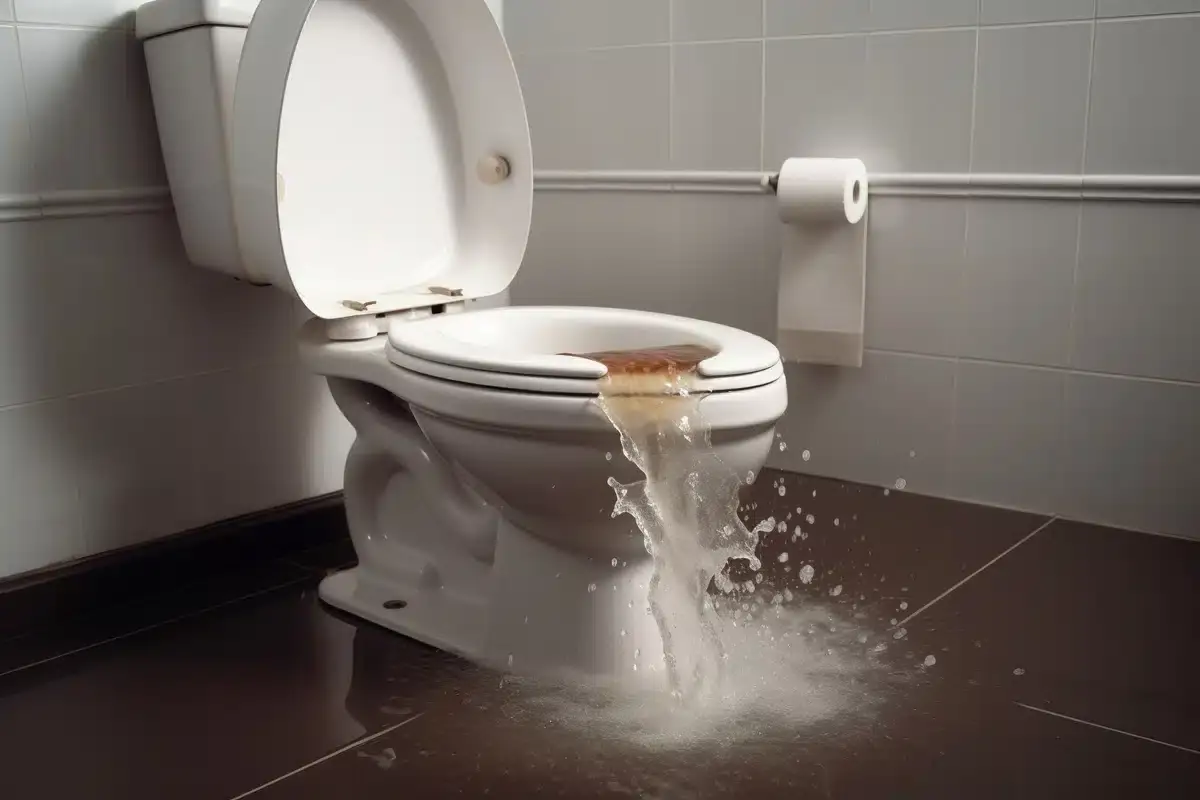
Your toilet just started overflowing. Water is rising. You have maybe 30 seconds before it hits the floor if it hasn’t already.
This is not the moment to Google a five-step guide and read through it slowly. So here’s the short version first, and the full breakdown right after.
Stop the overflow immediately: Reach behind the toilet, find the oval-shaped valve on the wall, and turn it clockwise until it stops. That shuts off the water supply. Problem paused.
Now keep reading, because stopping the water is just step one. What happens next depends on why your toilet is overflowing, and the cause matters a lot.
Schedule Your Plumbing Service Today!
Step One: Shut Off the Water Right Now
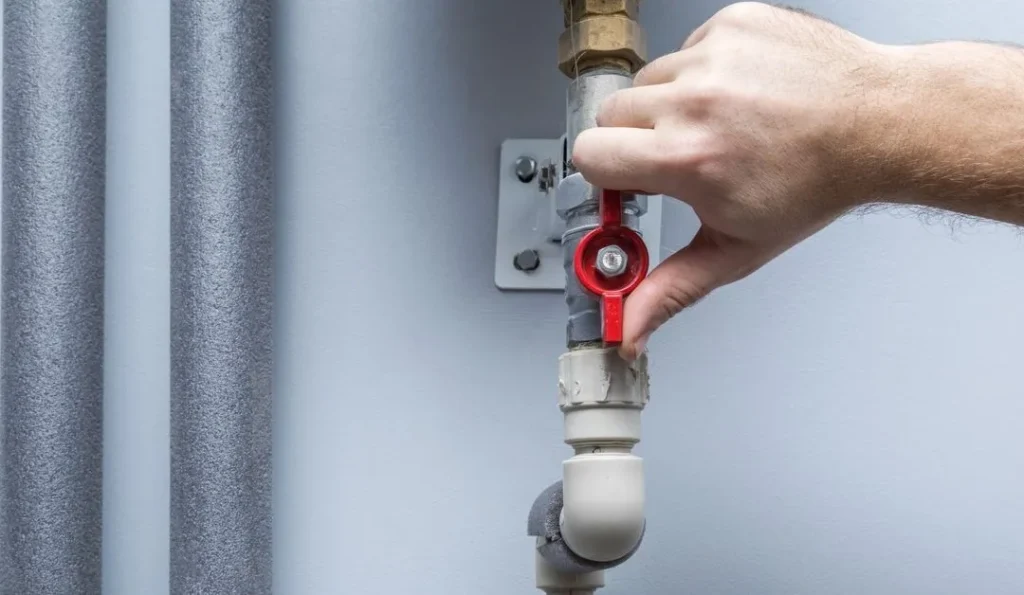
If water is actively rising, everything else can wait.
The shut-off valve is on the wall behind and below the toilet. Turn it clockwise; it only takes a few turns. Water stops flowing into the tank, and the bowl stops rising.
If the valve is stuck or broken, go straight to your home’s main water shut-off instead. In most Jacksonville homes, it’s near the water meter, outside at the front of the property, or along the side of the house.
Once the water is off, take a breath. The emergency part is over. Now figure out what you’re dealing with.
If you’re unsure what’s causing the issue, it’s a good idea to reach out to a local emergency plumber for toilet repair in Jacksonville for a quick inspection.
What to Do If the Toilet Overflows Onto the Floor
If water already made it to the floor, move fast on this:
Grab every towel you have and put them down immediately. Bathroom water, especially if the toilet is overflowing, comes with anything other than clean water, soaks into grout lines, baseboard gaps, and the subfloor underneath faster than most people expect.
Open a window or turn on the bathroom fan. Jacksonville’s humidity means standing moisture in a closed bathroom will start causing problems within hours.
If there’s sewage involved, and you’ll know because of the smell and appearance, don’t touch it with your bare hands. Use gloves. Sewage carries bacteria that cause real illness. This isn’t being overly cautious; it’s just a fact.
According to the EPA guidelines on wastewater safety, contaminated water should be disinfected immediately.
Why Is Your Toilet Overflowing? (The Real Causes)
Here’s where it splits into a few different situations, and each one has a different fix.
Toilet Keeps Overflowing After Flush
This usually means the clog is stopping waste from clearing the bowl, so the water from the flush has nowhere to go and rises to the rim. A plunger is the right first move here. Use a flange plunger (the one with an extended rubber lip), it creates a better seal on toilet drains than a flat cup plunger.
Plunge firmly with 10–15 strokes, then flush. If it clears, you’re done. If the bowl fills again without draining, the clog is deeper than a plunger can reach.
Toilet Overflowing But Not Clogged
This one confuses people. If water is overflowing but nothing seems blocked, the float inside the tank is usually the culprit. The float is what tells the tank to stop filling. When it’s set too high or stuck in the wrong position, the tank overfills and water spills into the overflow tube and down into the bowl.
Take the lid off the tank and look inside. The water level should sit about an inch below the top of the overflow tube. If it’s higher than that, the float needs adjusting or replacing. This is a simple fix most homeowners can handle themselves.
Toilet Overflowing From the Tank
If water is coming out of the tank rather than the bowl, the issue is almost always the fill valve or the float. The fill valve controls how much water enters the tank after a flush. When it malfunctions, it keeps letting water in even after the tank is full and the water has to go somewhere.
You’ll hear the toilet running constantly if this is the case. That sound of water trickling that never fully stops? That’s the fill valve not shutting off when it should.
A replacement fill valve costs about $15 at any hardware store and takes 20 minutes to swap out if you’re comfortable doing it. If not, any professional plumber in Jacksonville can handle it quickly on a standard service call.
Toilet Overflowing for No Reason
If your toilet overflows without anyone flushing it and there’s no visible clog, the problem is likely sitting further down the line. A partial blockage in the main sewer line can cause water to back up through the toilet, the lowest fixture in most bathrooms, even when nothing has been flushed recently.
This is particularly common in older Jacksonville neighborhoods where sewer lines are aging, or tree roots have started working their way into the pipes. Riverside, Arlington, Mandarin, and Springfield homes in these areas deal with root intrusion more than newer construction zones.
If your toilet is overflowing for no clear reason and it’s happening more than once, stop using the toilet and call a plumber. Using it repeatedly while there’s a main line issue pushes sewage back through your other drains, too.
When the Situation Is Bigger Than a Plunger
Some situations have a clear answer: this needs a professional.
Call a Jacksonville plumber if:
The clog doesn’t clear after several plunging attempts. Forcing it harder doesn’t help; it can actually crack older porcelain or damage the wax seal at the base of the toilet.
Multiple drains in the house are slow or backed up at the same time as the toilet. That’s a main sewer line problem, not a toilet problem. No plunger touches that.
There’s sewage coming up through the tub or shower drain when you flush. This means sewage is finding the lowest exit it can because the main line is blocked. Stop all water use and call immediately.
The toilet keeps overflowing after every flush, even after you’ve cleared the bowl. Something is wrong further down the drain line.
These situations need a camera inspection and likely hydro jetting to clear the line properly. It’s not a job for hardware store tools.
Jacksonville-Specific Thing Worth Knowing
If you’ve lived in Jacksonville a while, you know the city has some older housing stock. Homes built in the 1950s through 1970s in neighborhoods like Ortega, Murray Hill, and San Marco often still have original cast iron drain lines.
Cast iron corrodes from the inside out over decades. The interior walls get rough, catch waste more easily, and eventually narrow enough to cause chronic clogs and backups. If you’re dealing with recurring toilet issues in a home that’s 40+ years old, the pipes themselves may be the underlying problem, not just what you’re flushing.
A camera inspection gives you a clear picture of what’s actually going on inside your drains. It’s not expensive, and it tells you exactly whether you’re dealing with a surface problem or something structural.
The Bottom Line
Most toilet overflows are fixable either with a plunger, a float adjustment, or a fill valve replacement. If you catch it early and shut the water off fast, the damage stays manageable.
But when the clog is deep, when multiple fixtures are affected, or when sewage is involved, that’s the line where DIY ends and a professional needs to step in.
Jacksonville Plumbing Master handles toilet overflows, main line blockages, and sewer backups across Jacksonville 24 hours a day. If you’re not sure what you’re dealing with, call us, and we’ll tell you straight whether it needs a plumber or not.
Schedule Your Plumbing Service Today!
FAQs
What do I do if my toilet overflows with poop?
Shut the water off first using the valve behind the toilet. Don’t flush again. Use rubber gloves before touching anything. Clean the surface with a disinfectant and bag any contaminated materials for disposal. If the blockage that caused it isn’t fully cleared, call a plumber before using the toilet again.
Why does my toilet keep overflowing after every flush?
Either the clog didn’t fully clear, the float in the tank is set too high, or there’s a blockage further down the drain line that’s preventing proper flow. If plunging doesn’t fix it after two or three tries, stop flushing and call for help.
Can a toilet overflow on its own without flushing?
Yes. If the main sewer line is backing up, water and waste can rise through the toilet without flushing. It can also happen if the fill valve is malfunctioning and overfilling the tank. Either way, it needs attention quickly.
How much does a plumber charge to fix an overflowing toilet in Jacksonville?
A standard service call for a toilet clog or overflow in Jacksonville typically runs between $100–$250. If the issue is a main sewer line blockage or damaged pipes, the cost will be higher depending on what the inspection finds. Always ask for an upfront quote before work starts.